


Operational Management


Leveraging Lessons for Stronger Project Implementation
ADB strengthens project performance by focusing on early preparation, proactive implementation support, and timely action on emerging issues. Through stronger operational management, early-warning systems, and targeted interventions, ADB addresses challenges earlier in the project cycle while setting more realistic outcomes and output targets. Together, these efforts help build a stronger foundation for achieving better development results.
Implementation Readiness
The new corporate results framework (CRF) indicator introduced in 2025 measures project implementation readiness at approval to strengthen quality at entry, reduce start-up delays, and accelerate implementation. Implementation readiness is assessed across five areas—design, procurement, institutional arrangements, safeguards, and financial management—with the overall score calculated as the average across all criteria.
Implementation Readiness by Criteria (%)
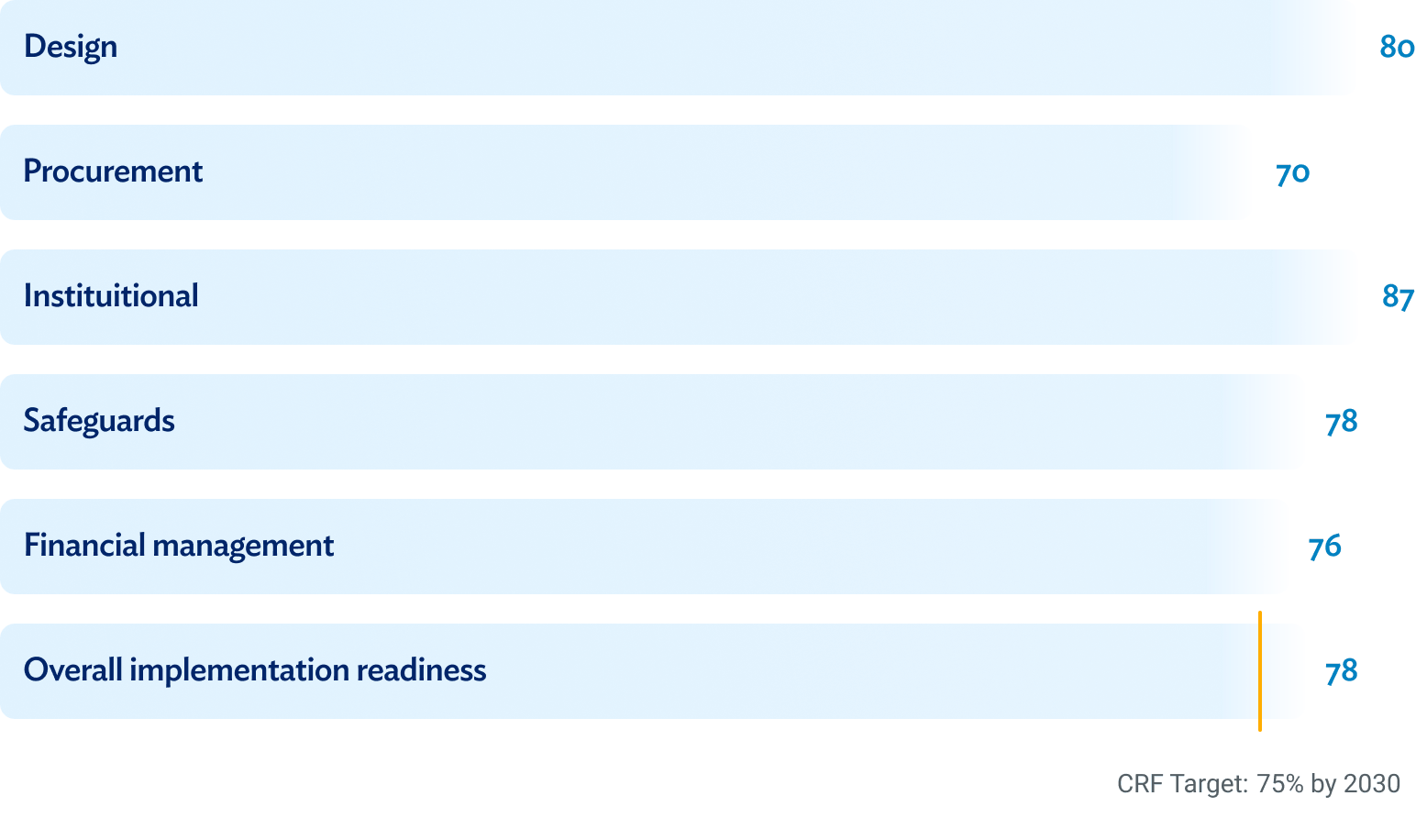
Despite achieving a high readiness rating, procurement remains a common bottleneck, highlighting the need for continued country system development, capacity building in executing and implementing agencies, and increased focus on strategic procurement planning.
ADB’s new Procurement Directive for ADB Borrowers strengthens requirements to promote innovation, enhance competition, increase local participation, improve value for money using merit point criteria, and incentivize high quality procurement across projects.
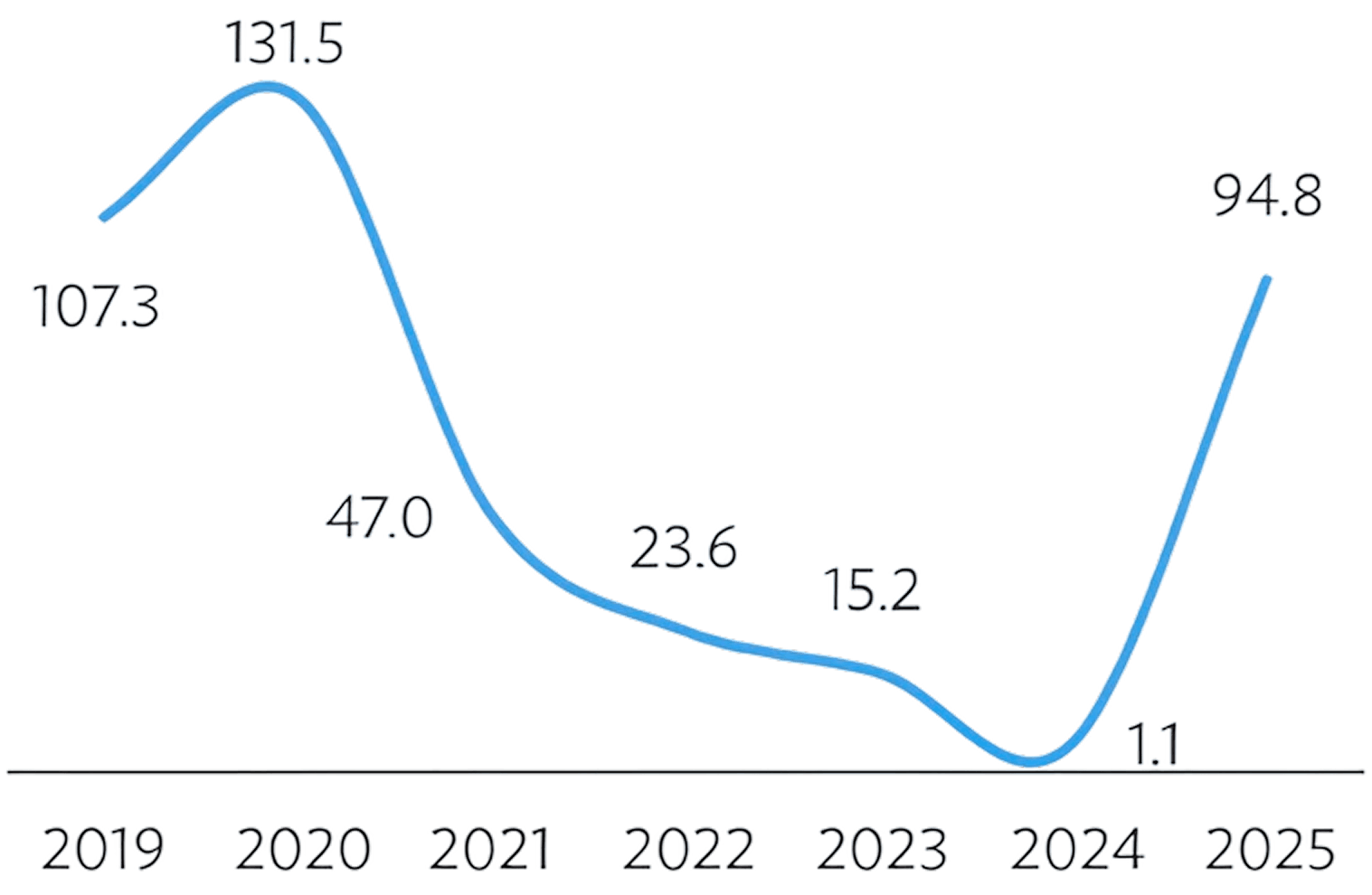
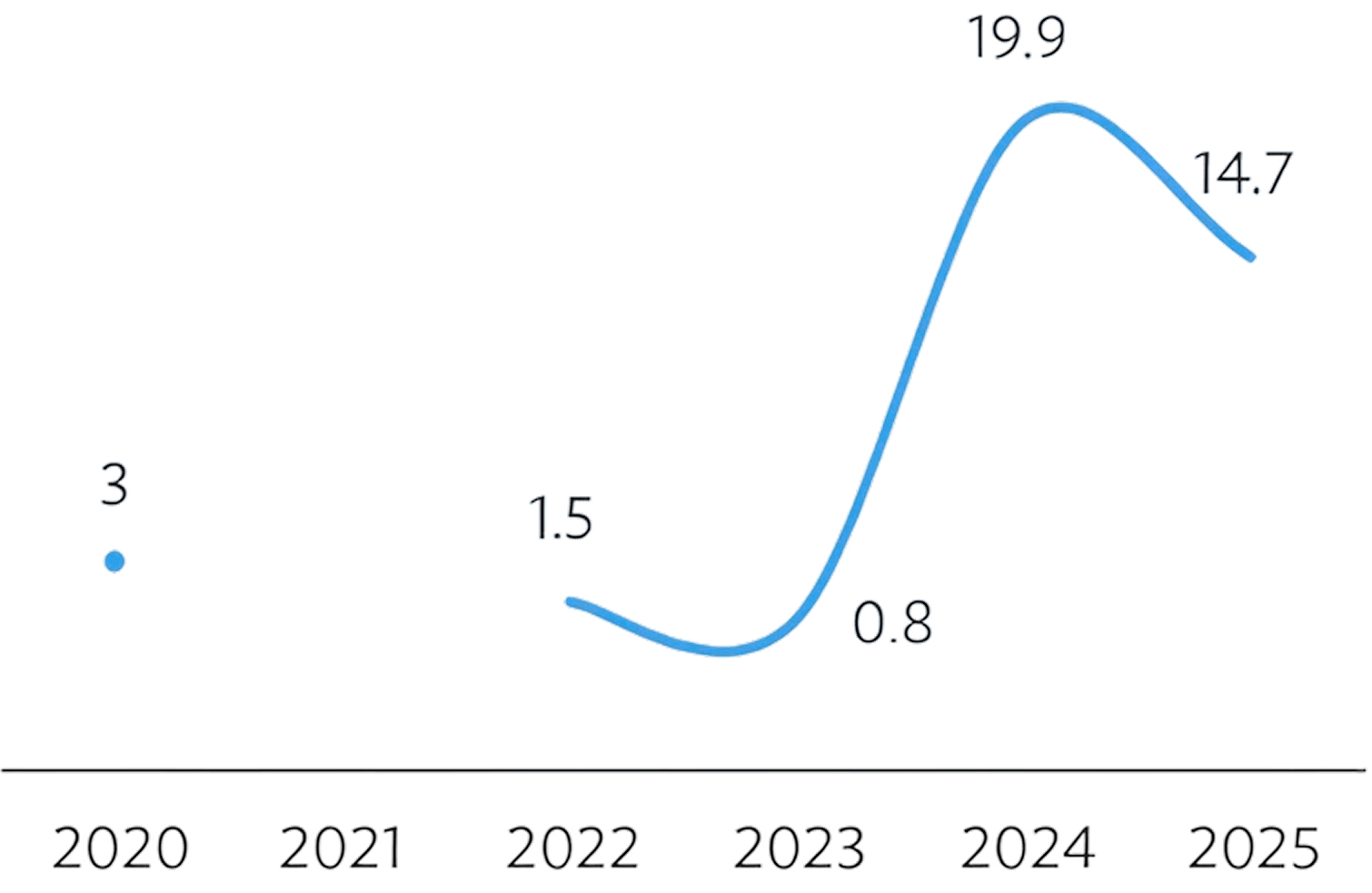
Project preparatory financing volume increased significantly from 2023 to 2025, as the number of operations using it rose from 3 to 18, but utilization remains suboptimal. Project preparatory financing is being modernized in 2026 to make it more attractive and effective.
Project Preparatory Financing Commitments
Project Readiness Financing
($ million)
Small Expenditure Financing Facility
($ million)



Project Implementation Quality
Even with strong readiness at entry, implementation risks can still arise. Monitoring and addressing issues in procurement, disbursements, financial management, outputs, and safeguards enables timely corrective action and helps ensure projects achieve their intended results.
Public Sector Project Implementation
ADB monitors five key indicators for public sector operations—contract awards, disbursements, financial management, outputs, and safeguards—to provide a comprehensive view of implementation quality and support timely action on emerging risks.
Project Performance Rating by Indicator, 2025
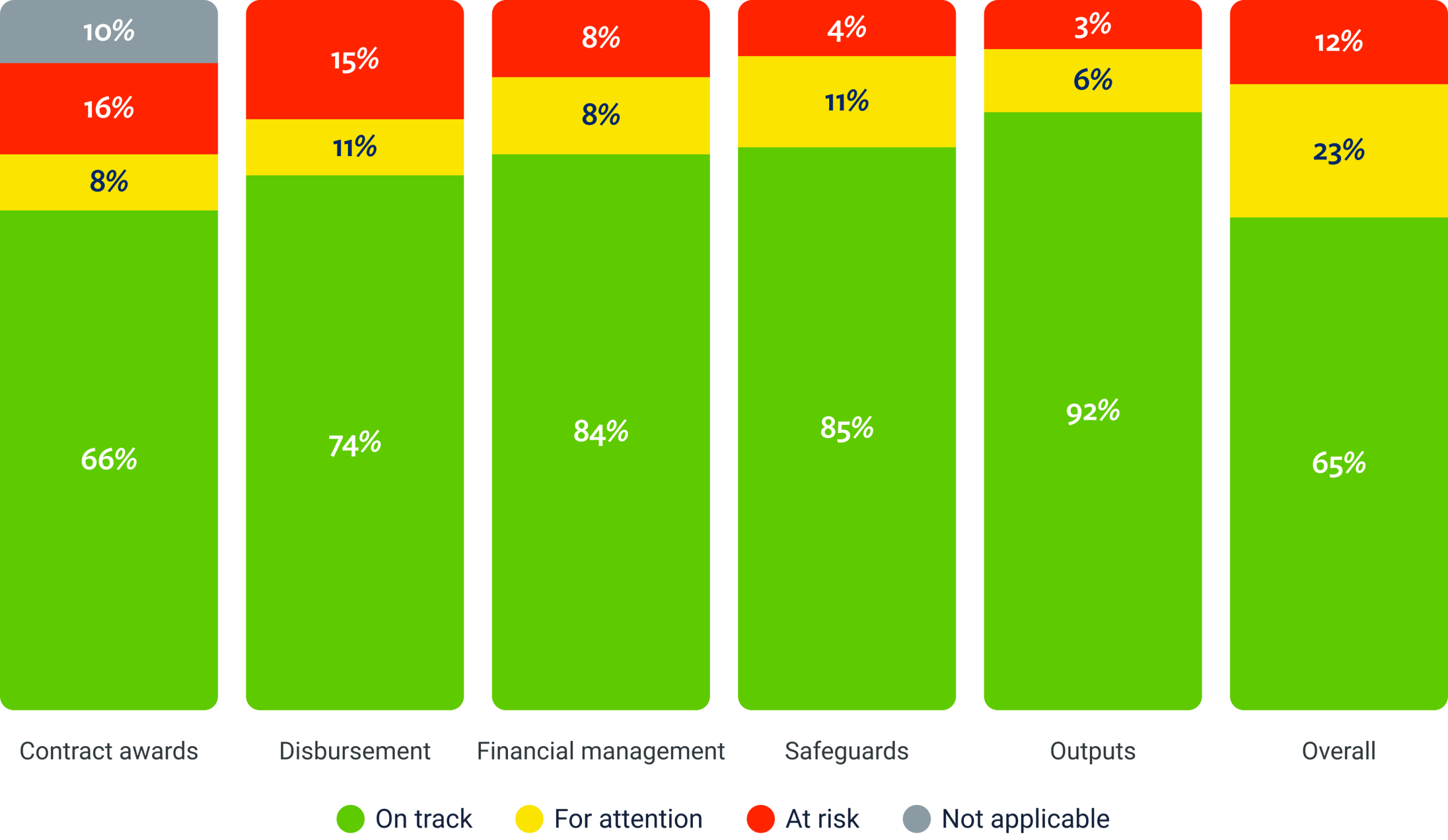
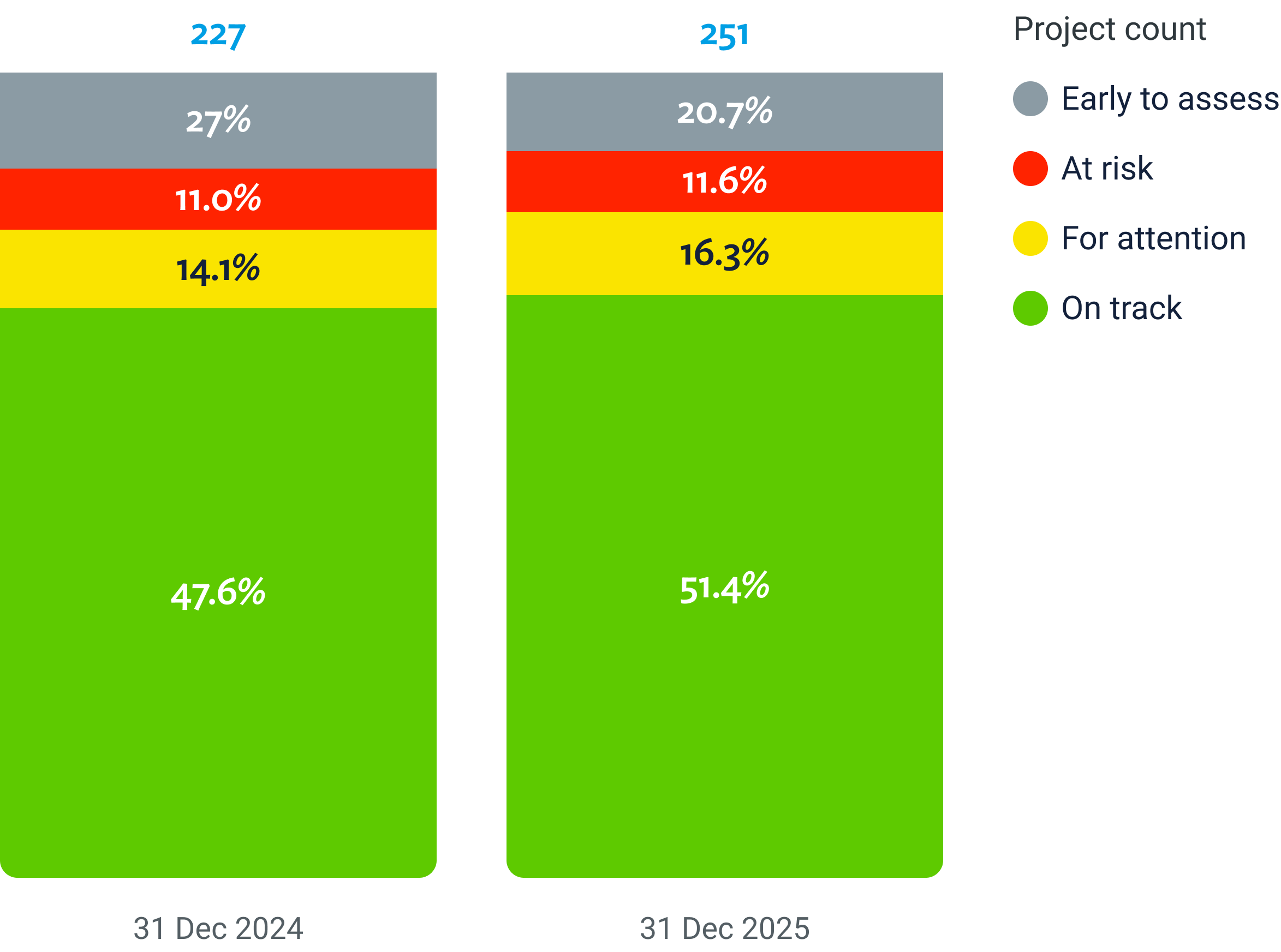
While ratings deteriorated across all five indicators, contract awards and disbursements accounted for 88% of the red cases. This underscores the need to apply project readiness tools rigorously, particularly for projects in their first year of implementation.
Private Sector Project Implementation
ADB tracks private sector operations progress toward design and monitoring framework (DMF) objectives through a development effectiveness indicator, which has proven to be a useful predictor of overall project success. In 2025, most of ADB’s private sector portfolio (including its Trade and Supply Chain Finance and Microfinance programs) continued to perform well from this perspective.
Most private sector projects that become or remain at risk of not achieving development results, often across multiple quarters, are affected by factors outside of ADB’s control. Financial stress remains the primary reason.
When this happens, ADB generally initiates a change in project scope. Such adjustments to align with evolving environments can keep transactions on track. Looking ahead, ADB is taking targeted steps to strengthen private sector portfolio performance. Half of red- and amber-flagged projects are expected to improve with ongoing change-in-scope processing and continued engagement with clients.
Development Effectiveness Flag Ratings